
Understanding Where Price Is Before You Trade
When it comes to high-probability setups, everything starts with location.
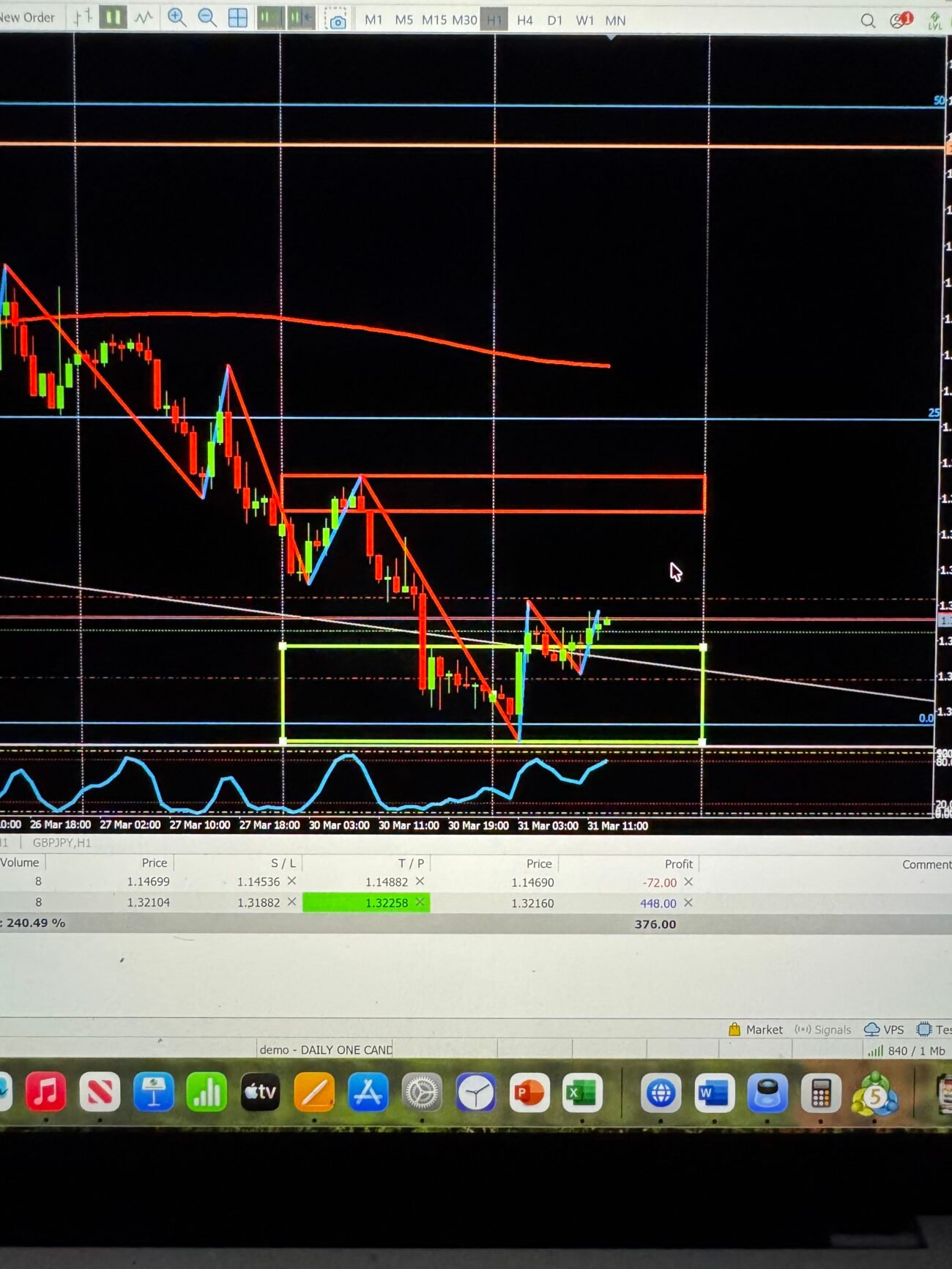
On the 1-hour chart of GBPUSD, price had been in a clear downtrend—printing lower highs and lower lows. However, instead of chasing sells into the ground, the focus shifted once price entered a key discount zone.
This is where discipline separates traders from gamblers.
Why This Was a Buy Setup (Even in a Downtrend)
Although the overall trend was bearish, price moved into a discount area based on higher timeframe Fibonacci levels. This immediately shifted the focus:
- ❌ No more selling at the bottom
- ✅ Begin looking for buying opportunities
This is a core principle:
We don’t chase trend—we trade location.
BRACE Method in Action (Break. Retest. And Confirm Entry.)
This setup followed the BRACE method step-by-step:
1. Break
Price broke above minor internal structure within the buy zone, signaling a potential shift in momentum.
2. Retest
After the break, price pulled back into the zone—respecting the level instead of collapsing lower.
3. Confirm
A bullish move followed the retest, giving confirmation that buyers were stepping in.
4. Entry
The trade was executed after confirmation—not before. This is key to avoiding premature entries.
Trade Execution Breakdown
- Entry: After bullish confirmation inside discount
- Stop Loss: Placed below the most recent swing low
- Risk-to-Reward: 1:1 initial target
This is a clean, rule-based execution:
- The stop is protected from market noise
- The entry is based on confirmation—not anticipation
The Role of the 200 SMA (Awareness, Not Bias)
The 200 SMA is still present on the chart and shows that price is technically below it—indicating a broader bearish environment.
However, this trade is based on price location (discount), not the SMA alone.
The 200 SMA provides awareness—not restriction.
This means:
- Yes, this is a counter-trend move
- No, that does not invalidate the trade
It simply means:
👉 Manage expectations and respect nearby resistance levels.
What Happens Next? (Trade Management)
Scenario 1: Price Moves Higher
- Target nearby resistance levels
- Consider trailing stops if momentum continues
Scenario 2: Price Stalls
- Take profits at 1:1
- Avoid holding through indecision
- This the most likely in this case since price may retrace at what appears to be a minor swing high directly to the left. I will probably take profits quickly and close the trade
Scenario 3: Price Reverses
- Break below swing low = trade invalid
- Accept the loss and move on
Key Takeaways from This Trade
- Trade from premium and discount—not emotion
- Wait for confirmation before entering
- Use structure-based stop losses
- Respect the bigger picture, but don’t ignore opportunity
Final Thoughts
This GBPUSD setup is a perfect example of what it looks like to trade with structure, patience, and discipline.
Instead of chasing the trend, the focus was placed on where price was, not just where it had been.
The best trades don’t come from speed—they come from positioning.
